
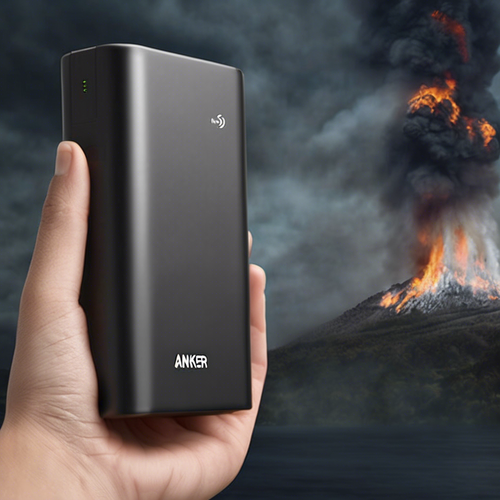
Anker Recalls Over 1.1 Million Power Banks After Fire Reports
In a shocking turn of events, Anker Innovations has announced a recall of more than 1.1 million power banks due to reported incidents of overheating and fires. The decision follows numerous complaints from users who claimed their devices caught fire while in use or charging, raising serious safety concerns for consumers and regulatory bodies alike. 🔥
This recall, noted as one of the largest in recent history for consumer electronics, serves as a stark reminder of the potential dangers lurking in popular tech products. Affected models include several versions of the Anker PowerCore portable charger, which are beloved for their capacity to keep devices powered on the go. However, their newfound safety risks have consumers scrambling for alternatives. 📱⚡️
Understanding the Recall: What You Need to Know
The U.S. Consumer Product Safety Commission (CPSC) has been actively involved in addressing these alarming incidents. Anker’s proactive recall comes in response to roughly 100 reported cases of overheating, leading to fires and property damage. According to company sources, the affected power banks were sold from 2017 through 2020, with online retailers and major chains serving as the primary outlets for distribution.
Consumers are urged to immediately stop using these devices and check whether their power banks are among the recalled products. Anker offers a straightforward solution: users can visit their official website to verify their product’s model number and eligibility for a refund or replacement. 💻
The Data Behind the Decision
This massive recall raises pressing questions about product safety in the tech industry and the effectiveness of existing regulations. Just last year, incidents related to lithium-ion batteries have surged, prompting calls for manufacturers to ramp up quality assurance processes.
“Consumer safety must always be the top priority for technology companies,” stated Sarah Mitchell, a safety analyst at the National Consumer Federation. “The occurrences we’ve seen with power banks highlight the importance of rigorous testing and accountability in manufacturing.” 🔍
Statistics indicate that batteries, like those found in power banks, account for approximately 40% of fire incidents in portable electronics. This trend underscores the need for advancements in battery technology and more stringent safety standards within the industry. 📊
What’s Next for Anker?
As Anker navigates the fallout from this recall, the company faces potential legal scrutiny and reputational damage. For a brand that has built its identity around innovation and reliability, this situation could be a significant setback.
To mitigate consumer concerns, Anker has launched a dedicated support line to assist affected users and clarify the steps for returning their products safely. Additionally, they have committed to unveiling enhanced safety features in their future designs, promising customers that lessons learned from this incident will lead to better, safer products. 🔄
Consumer Responsibility: How to Stay Safe
While recalls are a necessary part of consumer protection, they also place the onus on consumers to stay informed and proactive. To avoid similar pitfalls in the future, here are essential tips for gadget safety:
- Verify Product Recalls: Regularly check the websites of manufacturers and safety commissions for recall announcements related to your gadgets.
- Watch for Warning Signs: If your power bank becomes excessively hot, emits strange smells, or shows signs of physical damage, discontinue use and contact the manufacturer.
- Use Original Chargers: Always use chargers and cables that align with manufacturer specifications to minimize risks.
In Conclusion: The Road Ahead
This incident calls attention to the vital intersection of technology and consumer safety. As the dust settles from this alarming recall, it’s clear that both manufacturers and consumers must work in tandem to prioritize safety and quality in our devices. Responsiveness to concerns and openness to change could ultimately define Anker’s future in the competitive tech landscape. 🌍