
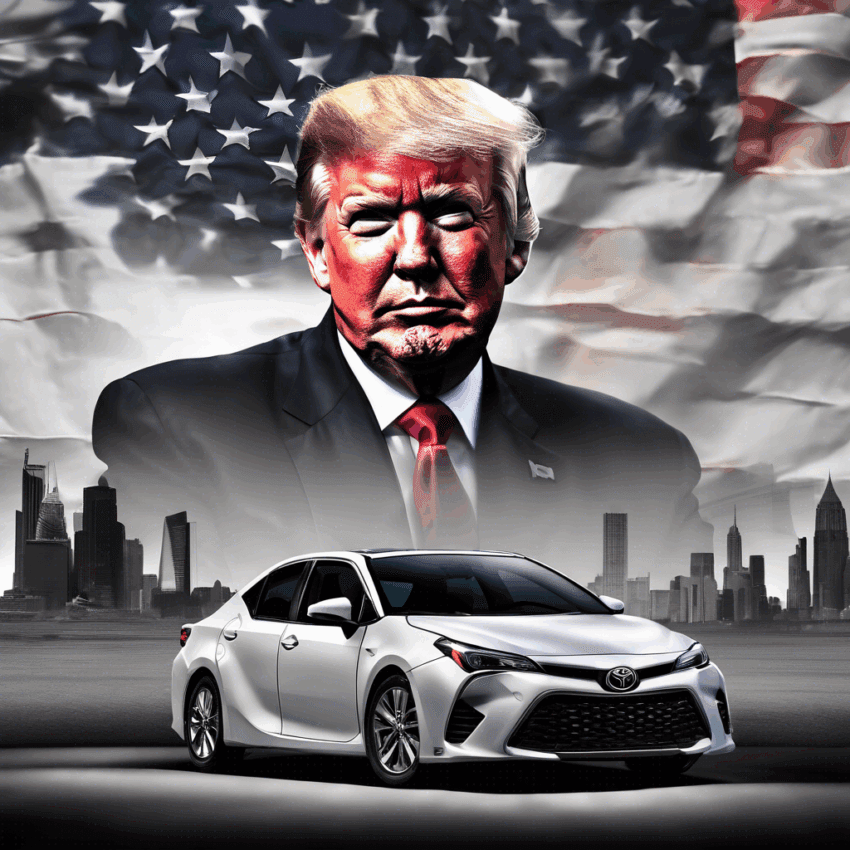
Toyota Faces $1.3 Billion Hit from Trump Tariffs
As trade tensions escalate, one of the global automotive giants, Toyota, has issued a stark warning: President Trump’s tariffs on imported vehicles and parts could cost the company a staggering $1.3 billion. 💰 This announcement not only raises eyebrows but places the spotlight on the intricacies of international trade and the ripple effects of government policies in the automotive sector.
The Tariff Impact: Understanding the Numbers
In a time when globalization pervades every industry, Toyota’s financial vulnerability reflects broader economic dynamics. The tariffs, implemented as part of a protectionist trade agenda aimed primarily at reducing the trade deficit, impose a 25% tax on imported vehicles and a 10% tax on auto parts. Approximately 20% of the cars Toyota sells in the U.S. come from Japan, meaning a substantial segment of its operations stands to be affected. 📉
In fiscal terms, the projected $1.3 billion hit translates into higher production costs, leading to potential increases in vehicle prices for consumers. According to data, the average price of a new car in the U.S. already hovers above $44,000, and these tariffs could exacerbate affordability issues for potential buyers. 🚗💨
Global Supply Chains Under Strain
The implications of such tariffs extend beyond just monetary values; they pose a serious threat to Toyota’s extensive supply chain. As an automaker that prides itself on efficiency and just-in-time manufacturing, disruptions in the flow of parts and materials can cripple production timelines. The consultation from industry experts indicates that these tariffs could ripple throughout the supply chain, affecting suppliers and even competitors. 🏭
“This isn’t just about Toyota; it’s about how tariffs alter the landscape for the entire automotive industry. Contingency plans may no longer suffice,” says Carter Jennings, a trade policy analyst.
The Competitive Calculus
With the tariffs unfolding, competitors like Ford and General Motors may stand to benefit from a shift in consumer purchase patterns. Should prices for imported Toyota vehicles rise, consumers may switch their preferences towards domestically produced cars. This situation not only jeopardizes Toyota’s market share—where it is the largest imported brand in the U.S.—but also redefines its pricing strategy amid a crowded market. 🔍
An internal assessment of market trends suggests that U.S. consumers remain brand loyal; however, the economic restraint caused by higher prices may prompt a reassessment of priorities. In competitive environments, every dollar counts, and companies unable to adapt quickly may face steep consequences.
Strategic Adaptations Ahead
As Toyota navigates this challenging landscape, proactive strategies are critical. The automaker has indicated an increased focus on local manufacturing, exploring partnerships with domestic suppliers to mitigate tariff impacts. This maneuver does not merely buffer against tariffs; it also plays into the growing market demand for sustainability and domestic production. 🌱
- Investing in Manufacturing: Increasing the capacity of U.S. factories can shield Toyota from external shocks while facilitating quicker responses to market demands.
- Innovation Focus: Investing in electric and hybrid vehicle technologies aligns with both consumer interests and future emission regulations, enabling Toyota to carve a niche even in uncertain economic times.
- Public Engagement: Transparent communication with consumers regarding pricing strategies and sustainability efforts can enhance brand loyalty, even amid rising costs.
Conclusion: The Road Ahead
Toyota’s projections underscore the delicate interplay between global trade policies and local economic realities. The looming $1.3 billion impact is a stark reminder of how swiftly shifting political landscapes can challenge even the most adaptive and resilient organizations. The automotive industry is at a pivotal juncture, one that demands flexibility, innovation, and a forward-thinking approach. 🌍🚀