
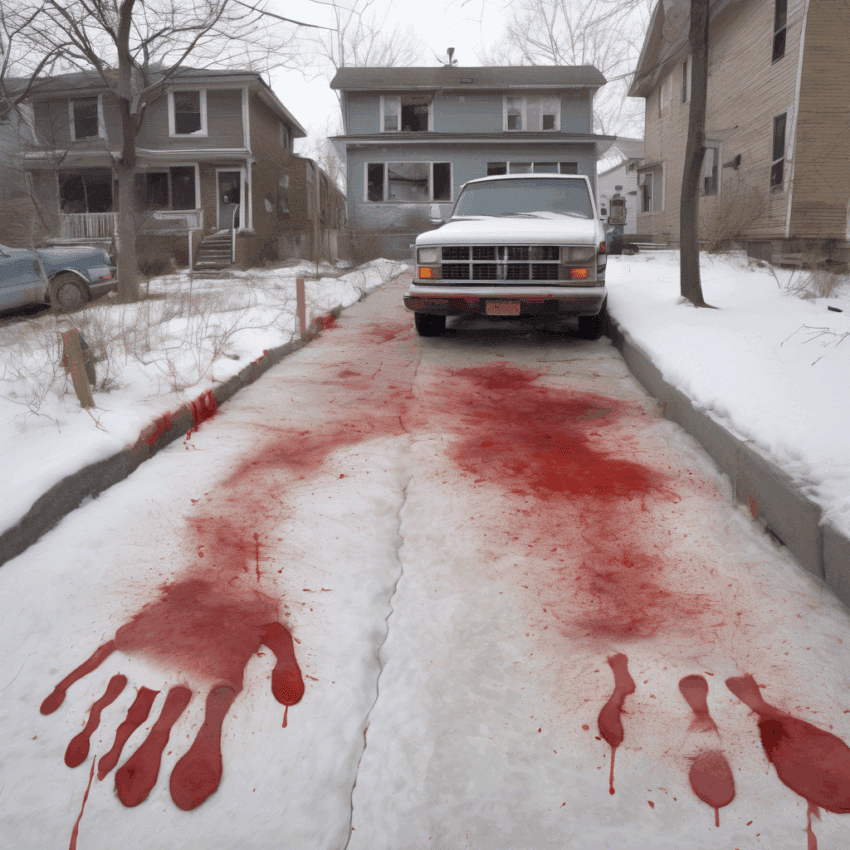
Bloody, Bare Footprints at Minneapolis Murder Scene: A Decades-Long Search for Answers
It was a crime that sent shockwaves through the heart of Minneapolis. On a cold winter’s night in 1993, police responded to a scene that would later become infamous: bare footprints, stained and smeared with blood, leading away from a gruesome murder. The chaotic scramble of that night marked the start of a haunting mystery, one that has eluded law enforcement for nearly three decades. As authorities grapple with cold leads and fading memories, the question remains: who was the killer, and when will justice be served? 🔍
The victim, a beloved member of the community, was discovered in her small apartment, and the brutality of the crime shocked friends and neighbors alike. Evidence at the scene included the bloody footprints, which would become both a pivotal piece of forensic evidence and a disturbing symbol of the unresolved nature of the case. Despite advances in forensic science, including DNA analysis and cold case technology, the murder remains unsolved, a grim reminder of the limitations in resolving crimes that age like fine wine but taste of tragedy instead. 🥀
The Chilling Discovery
When police first arrived at the scene, the sight was chilling. The bloody footprints had been trailed through the apartment, weaving a narrative that investigators could only speculate about. Forensic teams collected samples, establishing a timeline rooted in meticulous attention to detail. But as the investigation unfolded, a troubling picture emerged:
- Limited Suspects: Unlike typical cases with clear motives or suspects, the victim was known for her caring nature, devoid of typical enemies. Friends were baffled; who could want her dead?
- Misleading Evidence: While the bloody footprints were a start, investigators struggled. Would they lead them to the murderer, or merely deepen the mystery?
- Decades of Diligence: As years turned into decades, each cold case review offered a glimmer of hope but continually turned up empty, with the killer remaining elusive.
“With each passing year, the details fade, but the desire for justice never weakens,” says Detective Linda Alvarez, who has worked on the case for over a decade. “We’re committed to finding answers, no matter how long it takes.” 🚓
Technological Advances and Tragic Limitations
Investigative techniques have evolved tremendously since the early ’90s, with advancements in DNA analysis revolutionizing how cold cases are approached. However, the unique aspects of this crime have presented challenges:
- Forensic Breakthroughs: Enhanced DNA testing methods can now extract information from samples that were previously deemed unusable. However, unless a match can be established, potential leads remain dormant.
- Public Engagement: The Minneapolis Police Department has made significant efforts to re-engage the community through various public forums. “Community tips can breathe life into cold leads,” states Officer Mark Jennings. “We’ve seen case resolutions happen this way before.”
- The Weight of Time: As witnesses’ memories fade, and some key players have passed away, the search for answers requires not just skill but an extraordinary level of tenacity and patience.
The Quest for Closure
For the family of the victim, every anniversary of her death serves as a reminder of the unresolved pain. They have not only battled the heartache of loss but have also embarked on their personal fight for closure:
- Advocacy Work: Family members have engaged in public advocacy, aligning with crime prevention organizations. Their mission is to shed light on unsolved homicide cases, emphasizing that the families must not be forgotten. ❤️
- Media Narratives: Several documentaries have explored their story, raising awareness about unsolved homicides in Minnesota and the importance of public involvement in cold cases.
- The Fight for Change: They are involved in legislative efforts aimed at improving funding for cold case units, which have historically been under-resourced and understaffed.
A New Hope: Cold Case Revival
Amidst ongoing investigations, recent collaborative efforts have yielded fresh hope. Increased focus on cold cases by funding agencies and forensic institutions has sparked new interest. Investigators are retracing steps with modern techniques, hoping to extract something from the evidence that was overlooked the first time around.
“Each cold case represents not just a puzzle to solve but lives left in the lurch. Our aim is to restore dignity to victims and their families,” says Dr. Hannah Elmore, a forensic specialist involved in revitalizing cold case initiatives across the state.
Moving Forward: The Importance of Community Engagement
As investigators continue their work, community engagement remains critical. Minneapolis residents are reminded that they play an integral part in acknowledging and addressing unsolved crimes. Those with previously unreported information are encouraged to come forward — potentially holding the keys to the mystery. Anonymity is often assured, and every tip is taken seriously. 🕵️♂️
The bloody footprints may have vanished into the snowy depths of the past, yet the quest for answers burns ever brightly. With determination and collaboration, the hope lingers that one day, justice will finally find its way home, allowing the victim to rest, and her family to heal. 🌟