
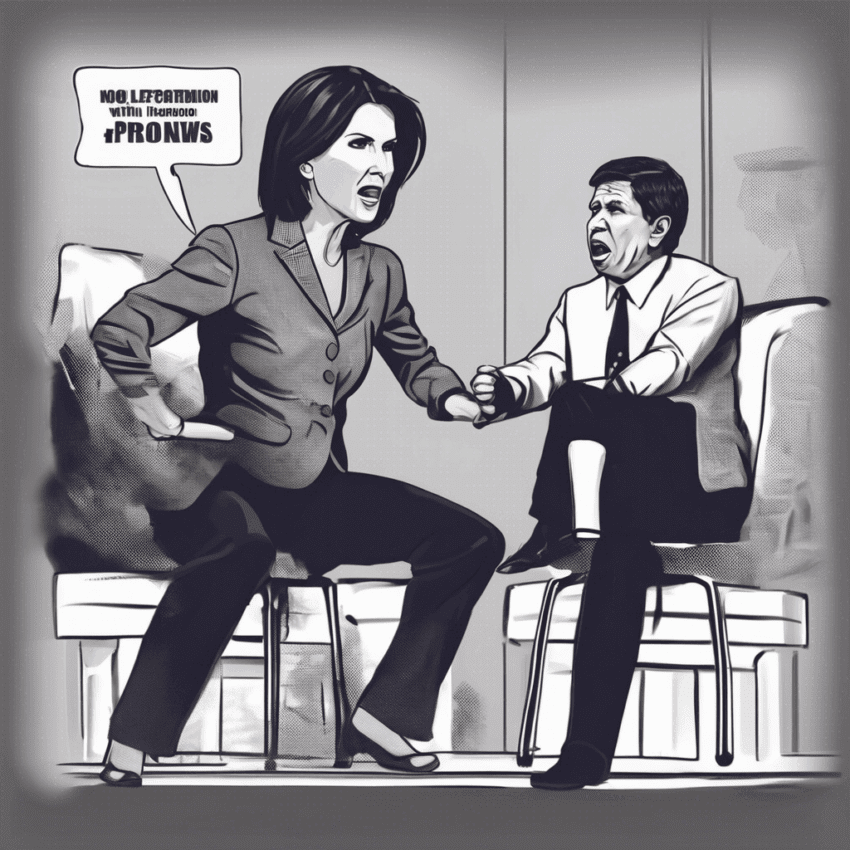
Noem vs. Pritzker: The Immigration Policy Showdown
The debate over immigration policy in America has reached a boiling point, marked by an unexpected yet intense exchange between DHS Secretary Kristi Noem and Illinois Governor J.B. Pritzker. The clash centers on immigration strategies and state rights, with allegations of politically motivated performance aimed squarely at media outlets like Fox News. As the nation grapples with ongoing migration challenges, this tit-for-tat exemplifies the polarized views that define contemporary politics. 🌍
In recent public statements, Noem criticized Illinois’s handling of immigration, suggesting that the state’s policies compromise public safety. Pritzker retaliated, labeling Noem’s remarks as pandering to a conservative base, reflecting broader trends of leveraging immigration issues to galvanize political support. The dual narrative showcases an alarming trend where states with divergent immigration philosophies are increasingly at odds, raising questions about the role of federal authority versus state autonomy in shaping immigration policy.
The Context: Immigration Policies and Their Impact
The U.S. has seen a dramatic rise in immigration-related discourse, especially in border states and urban areas, with the Biden administration facing mounting pressure from both sides of the political spectrum. Recent data from the Department of Homeland Security indicates that the U.S. experienced a 77% increase in border encounters over the past year, highlighting the urgent need for coherent immigration strategies.
Pritzker, who advocates for more humane and welcoming approaches, emphasizes Illinois’s commitment to becoming a sanctuary state, a stance that resonates with a significant portion of the population. Conversely, Noem’s hardline approach aligns with a faction of Republicans who advocate for stringent border control measures. This dichotomy raises crucial questions about how state policies affect federal immigration reform and public perception. 📊
Media’s Role: The Fox News Factor
Critics argue that the ongoing spat is a performance intended for media consumption, particularly for audiences of conservative outlets like Fox News. These platforms often amplify stories that highlight perceived failures in Democratic-led states regarding immigration policy. “It appears to be a strategy for both sides to energize their bases,” says political analyst Dr. Emily Carter. “For Noem, aligning with conservative media enhances her position within the GOP, while Pritzker leverages the narrative to fortify his image as a progressive leader.” 🎤
“The way these politicians are using immigration is less about the crisis and more about their political survival,” asserts Carter, underscoring the tendency to exploit divisive issues for electoral gain.
Public Opinion and Political Ramifications
Polls indicate that immigration remains a hot-button issue for American voters. A recent Gallup survey found that 62% of Americans believe that the current immigration system is functioning poorly, creating a fertile ground for both Noem and Pritzker to leverage discontent. The challenge for them lies in accurately framing their narratives to attract independent voters who feel caught in the crossfire of partisan rhetoric.
As the 2024 elections draw near, the stakes of this immigration debate intensify. Should Noem focus on hardline rhetoric without providing substantive alternatives, she risks alienating moderates, while Pritzker’s uncompromising stance on sanctuary policies could backfire among residents concerned with rising crime rates and resource allocation. 💼
The Future: What’s Next in the Immigration Debate?
The confrontation between Noem and Pritzker not only sheds light on their individual policies but also encapsulates broader themes of state versus federal authority over immigration. Legal scholars suggest that the escalation of state-level actions could lead to more significant confrontations with federal policies, especially if Congress remains gridlocked on comprehensive immigration reform.
Moreover, as states navigate their unique challenges regarding immigration, this paradigm could inform future electoral strategies across the nation. For leaders, balancing the pressures of constituency expectations and media portrayals will be paramount in succeeding amidst an increasingly contentious political landscape. 🏛️
Conclusion: The Political Theater of Immigration
This ongoing drama underscores the notion that immigration is not just a policy discussion but a political theater where performances are crafted for national audiences. As Secretary Noem and Governor Pritzker continue their sparring, the implications stretch far beyond their respective states, revealing a nation grappling with its identity and the diverse perspectives on immigration.