
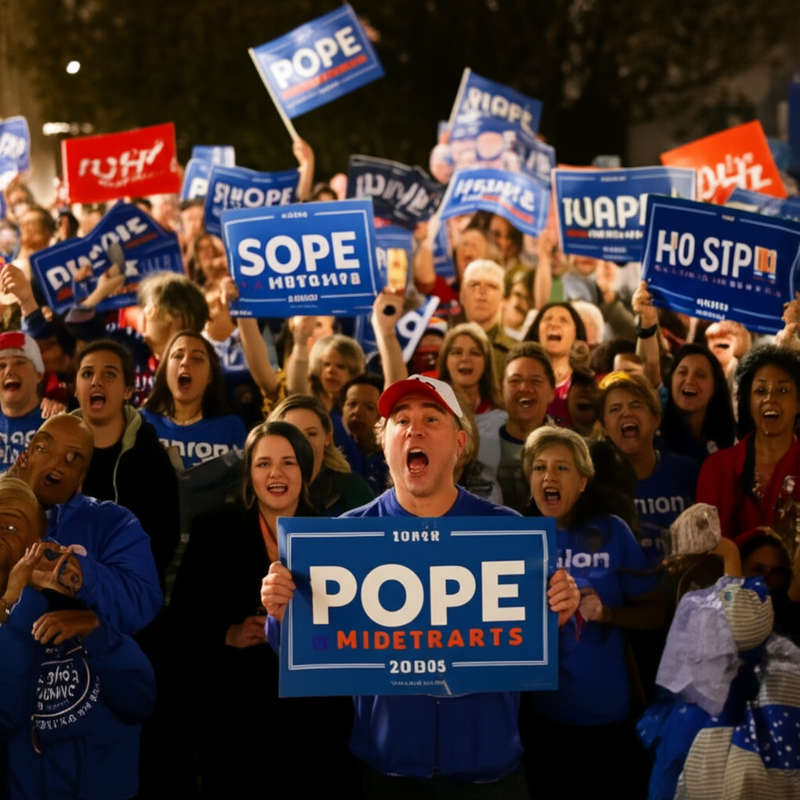
Democrats Sweep Major Races Ahead of 2026 Midterms 🎉🗳️
In a political landscape as unpredictable as a game of chess, where every move counts, the recent Democratic victories in major races serve as a surprising reminder: perhaps the party isn’t as lost as some had suggested. Indeed, it appears the Democrats have swept the board ahead of the 2026 midterms, leaving pundits and precinct captains alike grappling with the implications of this victory dance 💃.
The Context of Victory
These results, arriving on the heels of a tumultuous electoral cycle, echo a sentiment akin to spring flowers pushing through the frosty ground: a resurgence, a revival. However, what made these victories particularly striking was not merely the numbers — though they were indeed impressive — but the strategic groundwork laid long before the ballots were cast. This was a symphony conducted with an orchestra of grassroots mobilization, inclusive messaging, and an unyielding focus on issues that resonate deeply with the electorate.
Despite a backdrop of economic uncertainty and soaring inflation, the Democrats managed to paint a picture of resilience. While opponents cried out for fiscal prudence, the Democratic messaging was less about sacrificing comfort and more about embracing community. Voters, as if awakening from a prolonged slumber, seemed to rally behind candidates who championed healthcare access, climate change, and social justice — values that resonate with a considerable portion of the electorate 🌍.
Voter Turnout: The Wind Beneath Their Wings
If elections can sometimes feel like an elaborate dance, voter turnout is the rhythm that dictates the tempo. This cycle, the Democrats saw turnout rates that glimmered like a treasure chest filled with gold coins, far exceeding expectations. One striking statistic from the recent races reveals that Democratic candidates secured an 18% increase in youth voter turnout compared to previous cycles, highlighting a generational shift that could be as pivotal as it is profound. 📊
The irony lies in the fact that, just a few election cycles ago, the same young voters who now sprint to the polls were all but ghostly apparitions on the electoral landscape. Their engagement has morphed from a mere footnote in campaign strategies to a cornerstone of Democratic success. This newfound enthusiasm is much like a rushing river, sweeping away the debris of past apathy and carving a path for change.
Issues at the Heart of the Matter
What fueled this surge? The answer may be found in the Democrats’ ability to connect with voters on pivotal issues. As data flows into narratives, it becomes increasingly clear that issues such as healthcare reform and climate change have transformed from mere talking points into rallying cries that resonate with the core of the electorate. The contrast to Republican platforms, which often felt detached from these pressing concerns, became glaringly evident.
- Healthcare: Democrats’ commitment to affordable healthcare was no longer just a campaign promise; it was presented as a lifeline, particularly for families grappling with mounting medical expenses.
- Climate Policy: Increasingly, candidates highlighted climate initiatives not as a “nice to have,” but as a fundamental right for future generations — a bold declaration in a time of climate crises.
- Social Justice: The ongoing dialogue surrounding racial equity and justice echoed from streets to ballot boxes, igniting fervor among diverse communities.
These themes act as threads weaving the fabric of Democratic campaigns into a tapestry that many voters found hard to ignore, crafting a stark contrast against a Republican platform that felt increasingly insular and disconnected.
Challenges Ahead: A Tightrope Walk
But before the Democrats break out the confetti, it’s important to acknowledge the precarious path that lies ahead. Political fortunes can shift quicker than the seasons; what appears to be an assured victory today could transform into a daunting uphill battle tomorrow. The challenge now is to unify the diverse factions within the party and maintain momentum as the midterms approach.
Moreover, the political landscape remains fractious. The antithesis of Democratic victories lies in the undoubted resurgence of Republican strategies to counteract this momentum. The elephant in the room is that the same issues galvanizing Democrats could just as easily galvanize oppositional forces, leading to fierce battlegrounds that echo like thunderclaps.
The Road to Midterms 2026: Strategy and Adaptation
With the 2026 midterm elections looming on the horizon, the question begs to be asked: How will Democrats adapt their strategies to fend off historical trends of midterm losses following a president’s party victory? Just as a sculptor chisels away at a block of marble to reveal a masterpiece, so too must the Democratic Party refine its message and strategies, focusing on unity, inclusion, and innovative engagement tactics as tools in their toolbox. 🛠️
As campaigns gear up, the emphasis will need to shift toward building coalitions, addressing voter concerns swiftly, and ensuring that the party’s successes translate into sustained commitments to the issues that matter most to constituents. This delicate dance will require finesse — balancing core values against the seemingly ever-present specter of polarization.
The road less traveled often holds the promise of change and renewal, and for the Democrats, navigating the shifting sands of political allegiances and voter expectations will be critical. Just as the seasons change, so too can political fortunes, and the challenge for Democrats is to adapt and thrive in an environment that is anything but predictable.
In reflecting upon these sweeping victories, one cannot ignore the poignant truth: the recent heights achieved by the Democratic Party may signify more than electoral success. They may herald a deeper, more profound shift in the cultural and political consciousness of the nation—a realization that unity, purpose, and a shared vision can transcend the barriers that have long divided.✨