
“`html
Fuel Switch Failures: The Chilling Reality Behind the Air India Crash ✈️
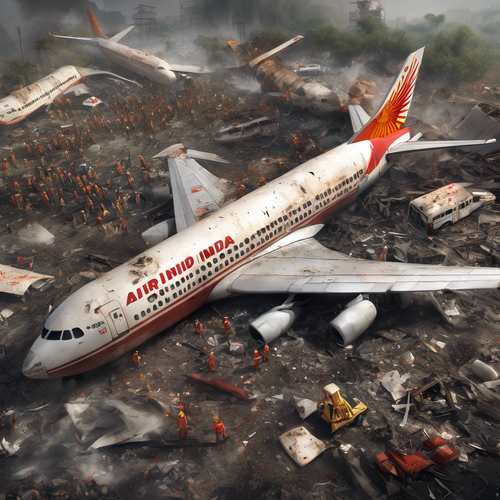
In the soaring skies of our modern age, where technology and aviation intertwine like lovers in a dance, there lurks an unsettling truth. The recent crash of an Air India plane has unearthed a shocking detail: fuel switches were cut off just before the disaster. Could it be that in our rush to innovate, we’ve left fundamental safety measures in the dust? 🚨
As if plucked from the pages of a tragic novel, the events leading up to the crash whisper of chaos and negligence. Imagine a ship sailing smoothly only to run aground due to a locked harbor gate. Here, the very mechanisms intended to sustain flight were rendered impotent; intricacies left unchecked, exposing critical vulnerabilities in our aviation frameworks. 🛠️
The Anatomy of the Incident
The report detailing the ill-fated takeoff reveals a myriad of operational failures, striking a chilling antithesis between human oversight and mechanical dependence. With fuel switches intentionally disabled, the aircraft was a mere puppet cut from its strings, left to tumble through the air without purpose or guidance. This is not simply an anomaly—it’s a reflection of systemic weaknesses that, if left unaddressed, could mean the difference between life and death in the aviation world.
Investigators diving into the wreckage found themselves not only sifting through twisted metal but also the remnants of procedural breakdowns. If aviation safety were a castle, the foundation has crumbled. There’s an irony steeped in the fact that the very systems designed to streamline operations became the harbingers of disaster.
A Broader Context: Safety Protocols in Aviation
To contextualize the calamity, we must turn our gaze outward. The aviation industry, often lauded for its pioneering advancements, now stands at a critical juncture. With more flights taking to the skies every year, ensuring passenger safety is not merely an obligation—it’s an imperative. This latest incident raises uncomfortable questions: How many more lapses remain undiscovered? Are we inadvertently courting disaster by neglecting routine safety protocols? 🤔
The FAA, a towering figure in regulatory oversight, finds itself at the heart of the debate. Amidst a cacophony of voices, can they truly strike a balance between technological advancement and human-centric safety measures? Just as a compass remains effective whether it points north in the midst of a storm or during a clear day, so too must our safety protocols remain resilient against complacency.
The Human Element: Accountability and Reform
Within the machinery of aviation, there exists an essential truth: the human element cannot be neglected. Within the paradigm of safety, striking psychological dividends is paramount. Just as a musician must tune their instrument before a performance, so must aviation personnel adhere to stringent standards of checks and balances. It’s imperative that we understand accountability doesn’t just clamor for attention when tragedy strikes; it must resonate within our training and culture continuously. 🔍
This scenario is poignantly illustrated in a recent quote from a leading aviation investigator: “In an industry where seconds can determine life or death, negligence cannot be tolerated.” Those words linger, reminding us that safety should not be an afterthought or a budget line item; rather, it should be the lifeblood that courses through the veins of every aviation entity.
Moving Forward: The Path to Reform
With the dust settling on yet another tragic event, the question remains: how can we reform the very frameworks that govern aviation safety? The answer lies not in finger-pointing but in collaborative dialogues—emphasizing transparency, accountability, and unyielding commitment to excellence. Just as a team of architects must collaborate to design a groundbreaking structure, so must industry leaders and regulatory bodies come together to reimagine what safe aviation looks like in our rapidly evolving world.
- Implementing Stricter Oversight: The FAA must fortify regulations, ensuring mechanisms like fuel switches are not only functional but also regularly tested and monitored.
- Comprehensive Training: A refresh of training protocols that prioritizes accountability and safety culture within aviation companies could help build resilience against operational failures.
- Investment in Technology: Leveraging advancements that enhance monitoring systems could be the linchpin in preventing similar tragedies from occurring.
The responsibility doesn’t end with airlines; it extends to policymakers and the flying public. Do we demand a level of accountability and safety that befits an industry entrusted with our lives? The time to act is now, lest we become complacent, lulled into a false sense of security until the next tragedy strikes.
Final Thoughts
As we reflect on the grim events surrounding the Air India plane crash, a wave of urgency sweeps over the aviation community. It’s not just about protocols—it’s about values, dedication, and a commitment to human life. The irony remains that in our pursuit of modernity, we might overlook the very elements that keep us grounded. If we fail to learn from this tragedy, we may soon find ourselves charting a course through an unpredictable sky, always one misstep away from catastrophe. ⚠️
In the chilling words of an aviation safety analyst, “If we forget our past, we’re doomed to repeat our mistakes.” Let’s strive to rewrite our narrative with vigilance, integrity, and an unwavering dedication to the safety of every passenger who takes to the skies. ✈️🌍
“`